How Solar Systems Work

Delivering clean, reliable energy from the sun

Turning Sunlight into Energy

A solar energy system collects sunlight and turns it into electricity to run homes, vehicles, or businesses

The sun releases small amounts of energy known as photons all the time. In just one hour, enough photons reach Earth to cover the world’s energy needs if we could use them all

PV Solar Panel Systems

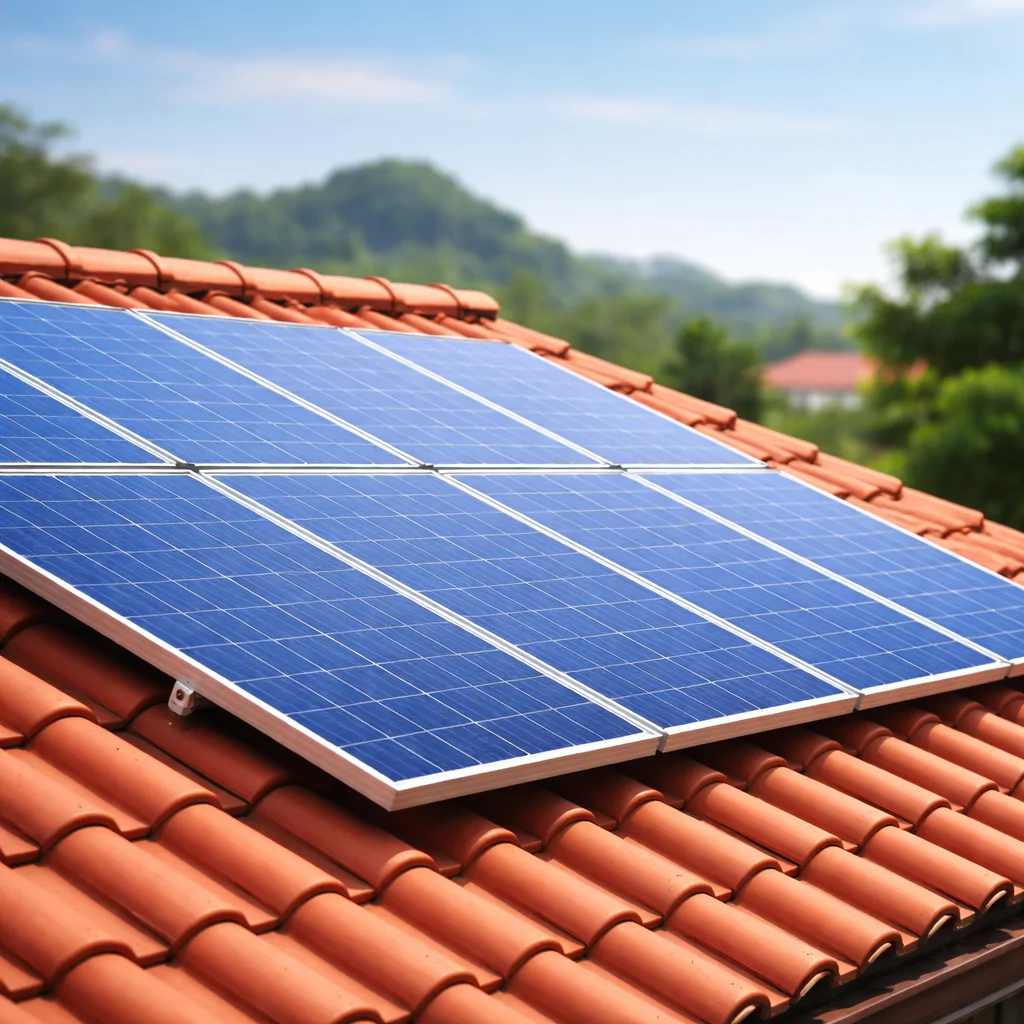
A solar setup for a home or business captures some of the sun’s photons using photovoltaic (PV) panels.
 
These systems can be installed on rooftops, open spaces, or anywhere sunlight is not blocked. Increasing the number of panels increases the amount of energy the system can produce.
 

A solar array is made up of multiple panels, and each panel contains numerous solar cells. These cells handle the process of turning sunlight into electricity.

Solar cells are made from silicon. When sunlight hits the silicon surface, energy is transferred that releases electrons. As these electrons move, they generate an electric current.

 

Difference Between Direct Current and Alternating Current

PV solar panels produce direct current (DC)
 
DC is suitable for small devices like flashlights and battery-powered gadgets, but it is not efficient for long-distance transmission. That’s why homes and power grids use alternating current AC.
 

Bringing Solar Power Into the Home

How does electricity from a solar panel become compatible with the AC outlets and appliances in your home?

It’s done using an inverter.

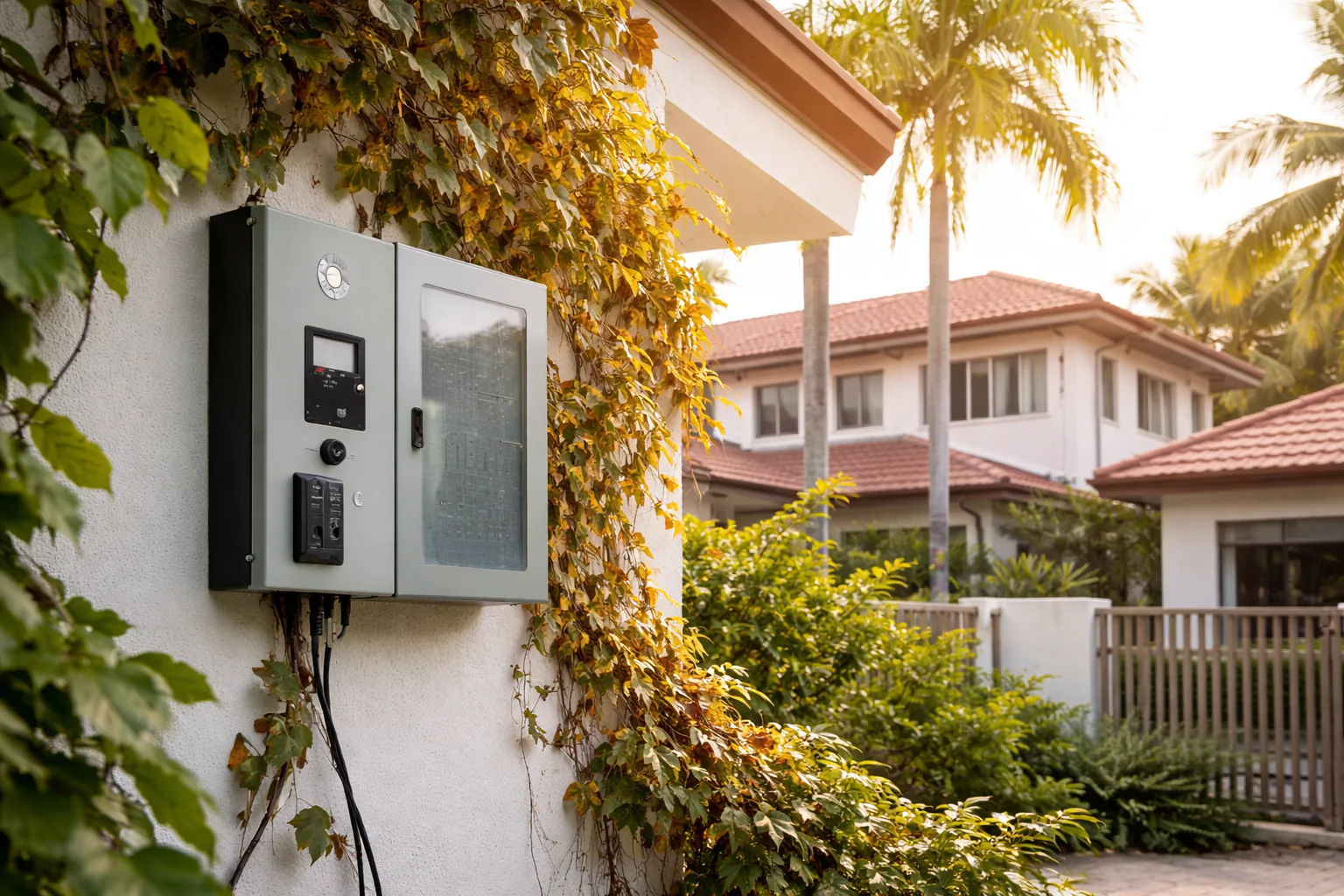
In most solar-powered homes, a central inverter is used. With this setup, all the solar panels on the roof are connected by wiring that leads to a single large unit, usually installed in the garage or mounted on the side of the house. This unit converts the panels’ DC electricity into AC power for household use.

In contrast, the custom solar systems we install use microinverters. Instead of one central unit, each panel has its own microinverter that converts DC to AC right at the panel. This panel-level conversion is more efficient and helps maximize overall system performance.

Regardless of whether a central inverter or microinverters are used, the final result is AC electricity that powers the home.

Lower Your Bills Through Net Metering

For solar-powered buildings that use net metering, the inverter allows surplus energy to flow into the power grid, helping homeowners save thousands over the life of their solar PV system.

Find Your Custom Solar Solution

1-2, Jalan 2/14, Dataran Templer Bandar Baru Selayang 68100 Batu Caves Selangor Malaysia

Solar Solutions

  • Home Solar Systems

  • Home Battery Storage

  • How Solar Works

  • Installation Process

  • Warranty

solar panels for home cost

© 2026 Complete Solar. All rights reserved.

top